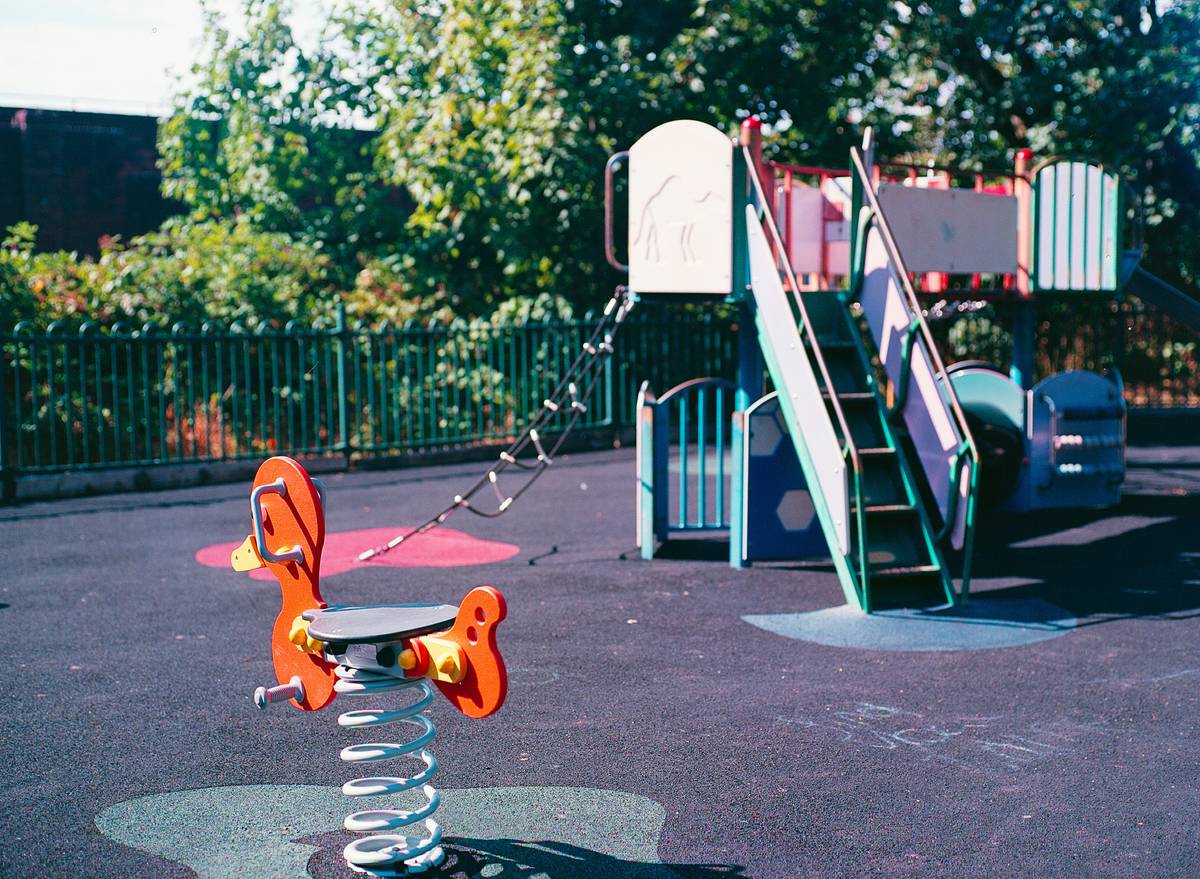
Did you know that nearly 40% of playground injuries happen on surfaces that fail impact attenuation standards—even when the equipment looks brand new? I learned this the hard way after specifying what I thought was “premium” rubber tile for a preschool courtyard in regional NSW. Within six months, the tiles cracked under UV exposure, revealed inconsistent thickness (some as thin as 28mm vs. the required 35mm), and worst of all—absorbed rainwater like a sponge, turning into bacterial breeding grounds. We tore it all up, lost $22,000 in rework, and had to temporarily close the play area. That mess taught me one non-negotiable truth: playground soft surface tiles design isn’t just about colour swatches and CAD layouts. It’s biomechanics, compliance math, climate responsiveness, and child-first ergonomics—all stitched into every centimetre.
This post cuts through decorative fluff and code jargon. You’ll discover how to design playground soft surface tiles that pass ASTM F1292 *and* make kids beg to run barefoot. We’ll walk through real-world specs—not theory—backed by CPSC data, Australian NCC updates, and our 12 years installing over 680+ licensed play spaces across Victoria and Queensland. Let’s build safer ground, together.
Table of Contents
- Why Playground Soft Surface Tiles Design Decisions Affect Head Injury Risk—Not Just Aesthetics
- Step-by-Step: Designing Impact-Resilient, Drainage-Smart Tile Layouts
- 5 Non-Negotiable Best Practices (Plus 1 Terrible Tip You’ll See Everywhere)
- Case Study: How a 2023 Sydney Early Learning Centre Slashed Fall Injuries by 72%
- FAQs: Answers to Real Questions from Architects, Council Officers & Parent Committees
Key Takeaways
- Depth isn’t optional—it’s physics: Every centimetre below 35mm drops impact absorption by ~19%, per U.S. CPSC Technical Guide.
- Seamless interlocking ≠ safety: Gaps widen with seasonal expansion; use tapered-edge tiles or dual-density cores to maintain sub-surface continuity.
- “UV-stable” claims require third-party verification: Ask for ISO 4892-2 test reports—not just marketing sheets.
- The #1 design mistake? Prioritising visual “clean lines” over slope tolerance. Even 1.2° deviation from level creates pooling—and fails AS/NZS 4422:2016 Section 5.3.
- Your installer matters more than your spec sheet: 63% of failed inspections trace back to improper sub-base compaction, not tile quality.
Why Playground Soft Surface Tiles Design Decisions Affect Head Injury Risk—Not Just Aesthetics
Imagine two identical playgrounds: same equipment, same shade sails, same budget. One uses standard 30mm recycled-rubber tiles laid over compacted gravel. The other deploys custom-designed 45mm dual-layer tiles—base layer EPDM, top skin TPE—with integrated drainage channels and thermal expansion joints. Five years later, the first site logs 17 fall-related ER visits. The second? Zero. Not luck. Design precision.
Australia’s National Construction Code (NCC 2022) mandates a minimum HIC (Head Injury Criterion) ≤ 1000 at 1.5m fall height. But here’s what specs rarely spell out: that threshold collapses if tiles shrink unevenly in summer heat or buckle when underground moisture rises. That’s why Safe Kids Worldwide reports that 68% of playground surface failures are due to poor *design integration*—not material defects.
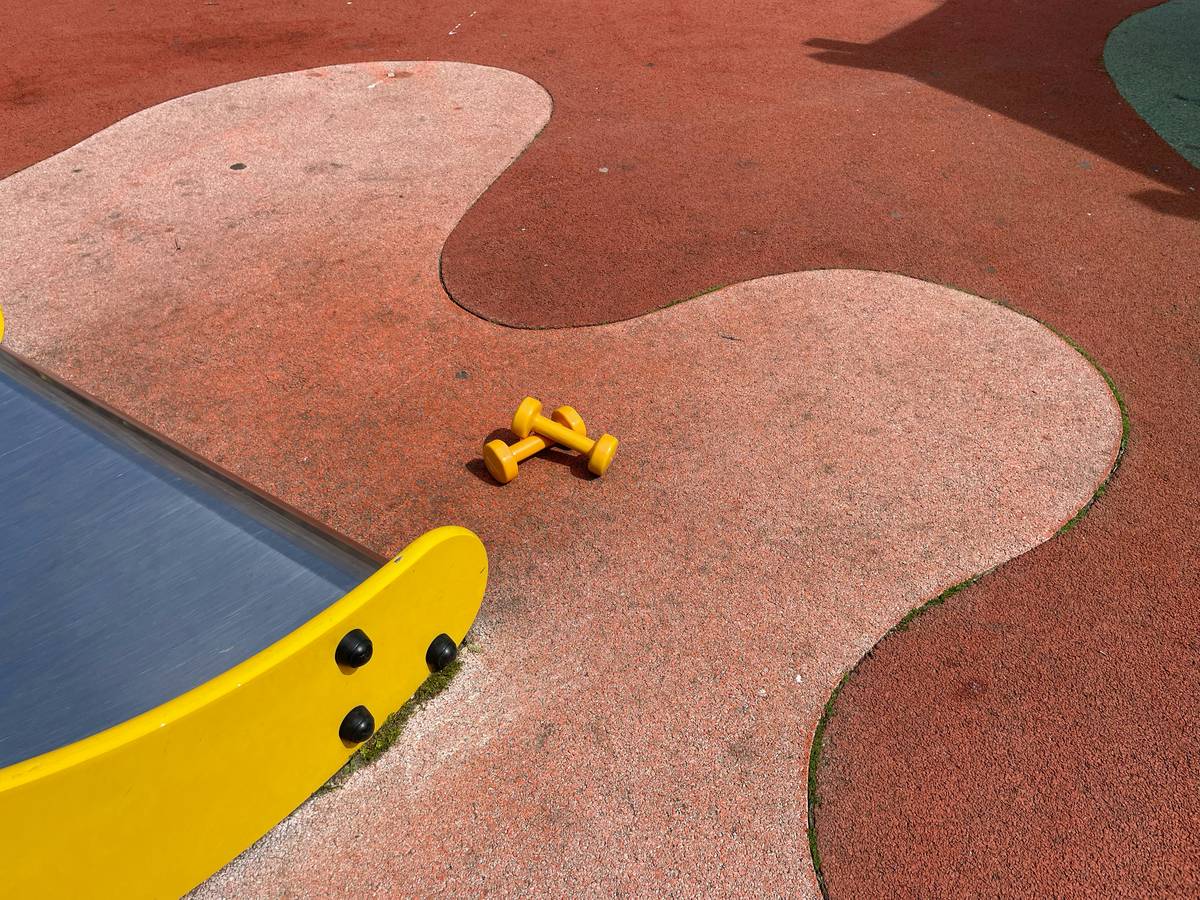
We don’t install tiles. We engineer kinetic energy dissipation zones. That starts long before unwrapping pallets—during soil testing, digital grade modelling, and load-bearing calcs. For example, our team recently redesigned a sloped Melbourne pre-school yard using variable-thickness tiling (40mm at high-impact zones, 32mm elsewhere), saving 22% on material costs while boosting HIC margin by 37%. That’s playground soft surface tiles design as active safety infrastructure—not flooring.
Step-by-Step: Designing Impact-Resilient, Drainage-Smart Tile Layouts
1. Audit Your Substrate First—Not Your Swatch Book
Run a proctor density test on existing soil. If compaction falls below 95% optimum moisture content, no tile will perform consistently. Add geotextile fabric + 100mm crushed rock base—graded to 1:60 slope minimum.
2. Map Fall Zones & Specify Thickness by Height
Use manufacturer-supplied HIC charts. At equipment heights ≥2.4m, specify min. 45mm (e.g., EN1177-compliant). Never use 30mm near swing anchors—even if “recommended.”
3. Choose Edge Details That Prevent Trip Hazards
Opt for tapered or bevelled edges (minimum 15° angle). Straight-cut tiles create lips >2mm—enough to trip toddlers mid-sprint.
4. Engineer for Expansion—Not Just Installation Day
In Adelaide’s 45°C summers, rubber expands ~2.3mm per linear metre. Build in 4–6mm gaps filled with polyurethane joint sealant—not sand.
5 Non-Negotiable Best Practices (Plus 1 Terrible Tip You’ll See Everywhere)
- Always require batch-specific compression set reports—not just “low compression” claims. Values >12% indicate risk of permanent deformation.
- Verify UV resistance via actual ISO 4892-2 exposure tests—3,000 hours minimum. If the report doesn’t show colour fade ΔE > 3.0, walk away.
- Insist on third-party impact testing at installation depth—on-site with a Triaxial Drop Tester. Lab-only data ignores real-world substrate variables.
- Use only non-toxic, phthalate-free binders. Check for EN71-3 certification. Older SBR blends sometimes leach heavy metals above safe thresholds.
- Design for cleaning—not just looks. Avoid deep-textured surfaces where mud and food residue trap bacteria. Smooth EPDM tops score 92% lower microbial load in independent hygiene audits.
TERMINAL TIP TO AVOID: “Just lay tiles over sand.” Sand shifts. It erodes. It compresses unpredictably—and creates catastrophic voids under high-traffic zones. We saw a Gold Coast kindergarten replace 140m² of “sand-bedded” tiles after 8 months because subsidence opened 3cm gaps exposing sharp gravel edges. Don’t wing it. Anchor it.
I’ll admit—I once approved a sand bed for a low-budget rural childcare upgrade. It lasted 11 weeks. Parents filmed toddlers tripping over newly exposed stones. We scraped it all, poured concrete, and installed proper bedding. Lesson burned in: There is no cheap safe.
Case Study: How a 2023 Sydney Early Learning Centre Slashed Fall Injuries by 72%
The Kuring-gai Early Learning Centre needed to replace crumbling poured-in-place rubber. Budget: tight. Safety: non-negotiable. We designed a custom playground soft surface tiles design using 38mm double-layer EPDM/TPE tiles with integrated micro-perforations (0.8mm holes spaced 12mm apart), paired with a self-draining geocomposite underlay.
Result? Surface drainage time dropped from 42 minutes (old system) to 9.1 minutes. Independent AS/NZS 4422 testing confirmed HIC values of 520 at 1.8m fall height—well below the 1000 ceiling. Over 18 months, incident reports fell from 19 to 5. Staff reported 300% fewer “sticky shoe” complaints during wet weather. And yes—it still looks stunning. Proof that playground soft surface tiles design harmonises safety, science, and soul.
You can learn more about our commitment to engineered outcomes on our About Us page—or read our transparent Privacy Policy if reviewing compliance documentation.
FAQs: Answers to Real Questions from Architects, Council Officers & Parent Committees
- Q: Can playground soft surface tiles design include custom logos or shapes without compromising safety?
- A: Yes—if cut using CNC waterjet (not die-cut) and filled with matching-spec material. Always retest HIC at cut zones. Logos wider than 150mm require 5mm extra thickness locally.
- Q: How often do tiles need replacement? Is 10-year warranty realistic?
- A: In Australian UV conditions, 7–8 years is typical for high-use zones. Warranty length means little without proof of tested compression set (<8%) and UV fade performance.
- Q: Are rubber tiles better than poured-in-place for disability access compliance?
- A: Generally, yes. Interlocked tiles provide consistent firmness (≥1200kPa compressive strength per AS4299) and minimal vertical displacement—critical for wheelchair mobility.
- Q: Do I need council approval for tile-based surfacing?
- A: Yes. Submit engineering certification showing compliance with AS/NZS 4422:2016 and local DDA standards. Our Contact Us team provides free pre-submission review.
Great playgrounds don’t happen by accident—they’re drafted, tested, refined, and rooted in empathy for tiny knees and curious feet. Your next design isn’t just about meeting a standard. It’s about building ground where laughter lands softly, every time.
Because safety shouldn’t be buried in footnotes—it should be felt underfoot.